
THE SARGASSUM PROBLEM
SARGASSUM IS SUFFOCATING THE CARIBBEAN
-
Environmental & Ecological Harm
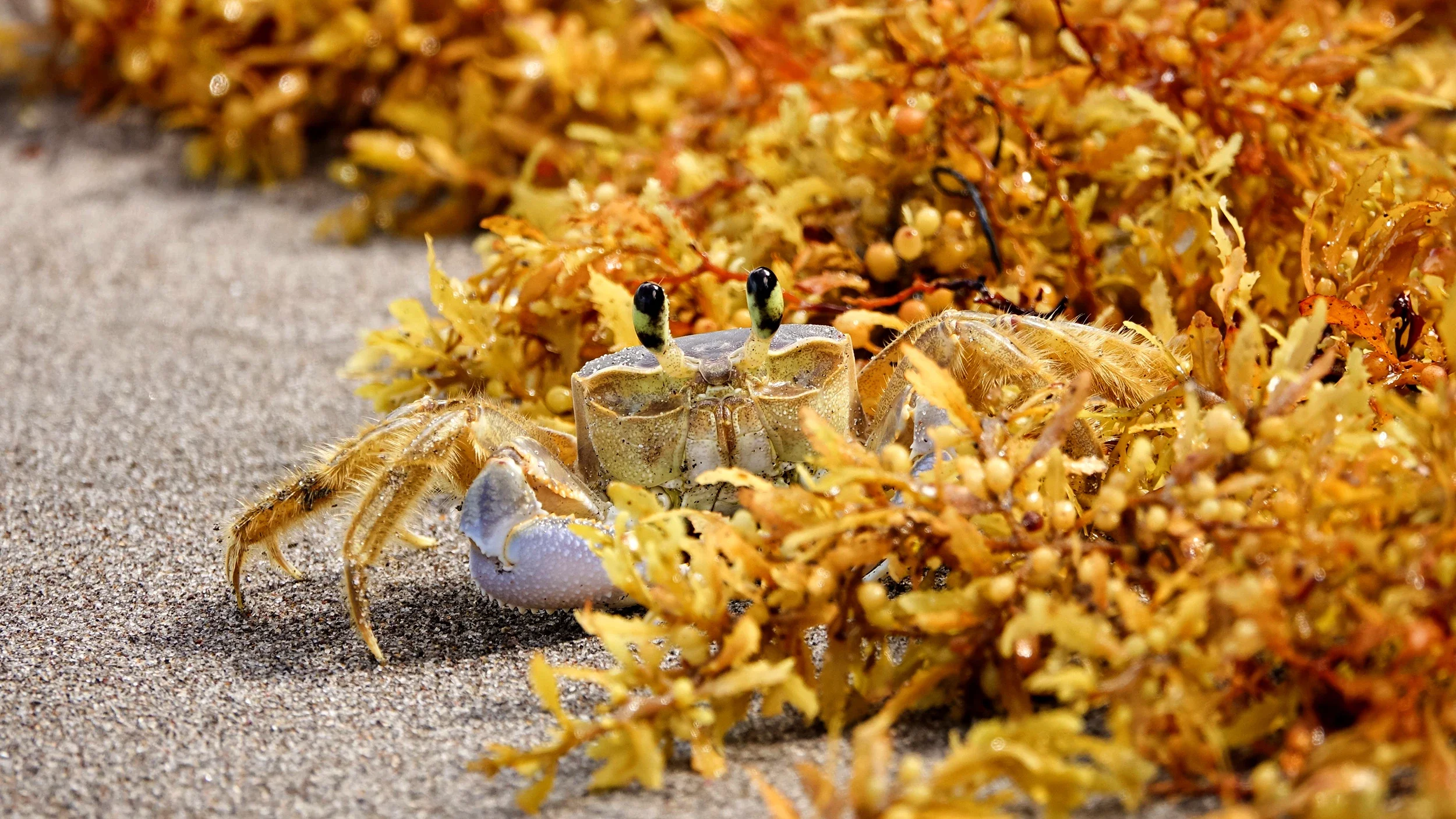
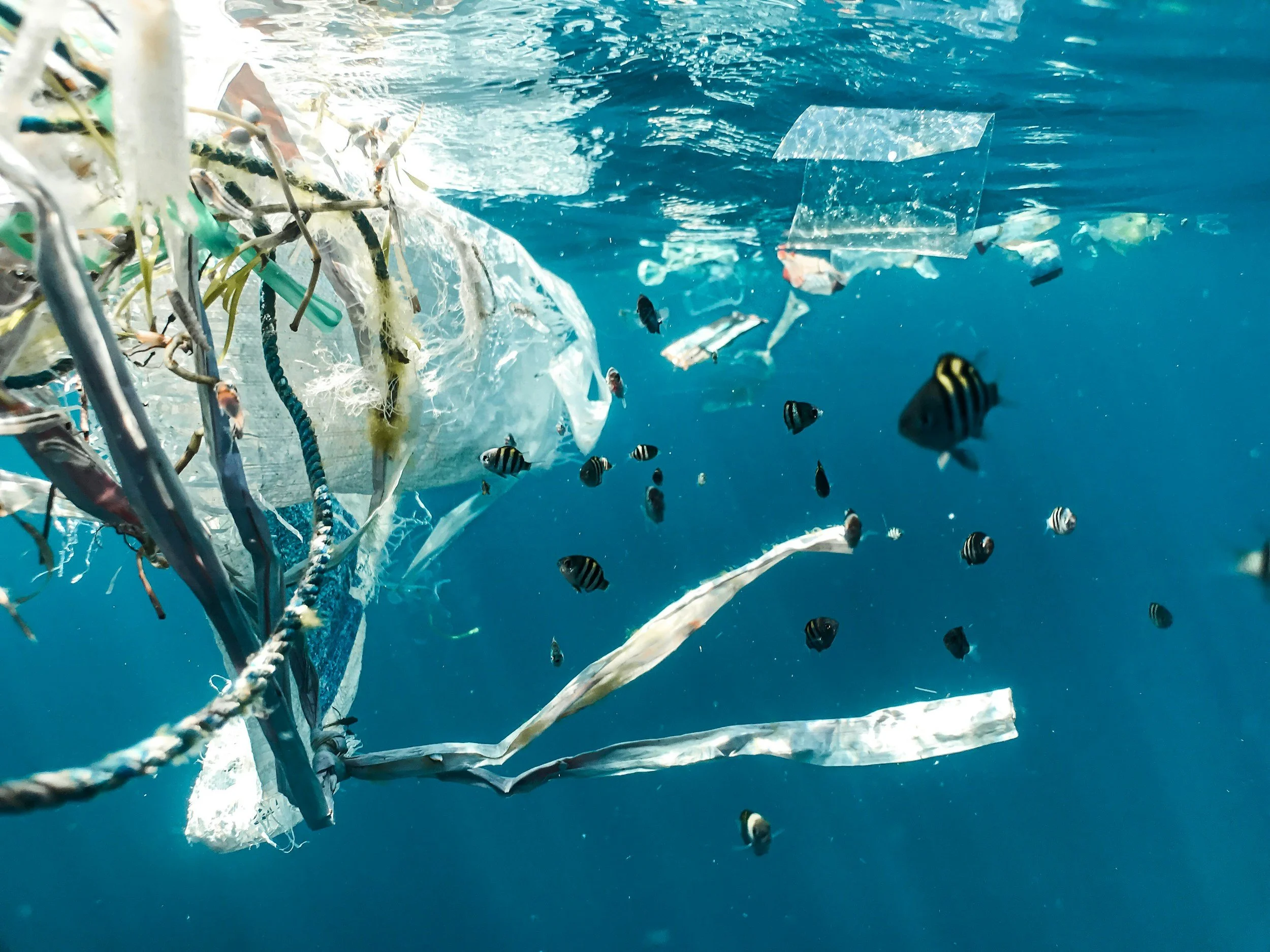
Sargassum smothers beaches, reefs, and seagrass beds - blocking sunlight, killing marine life, and degrading nursery habitats. As it decomposes, it releases stored carbon back to the atmosphere and leaches heavy metals including arsenic into coastal ecosystems.
-

Economic Fallout
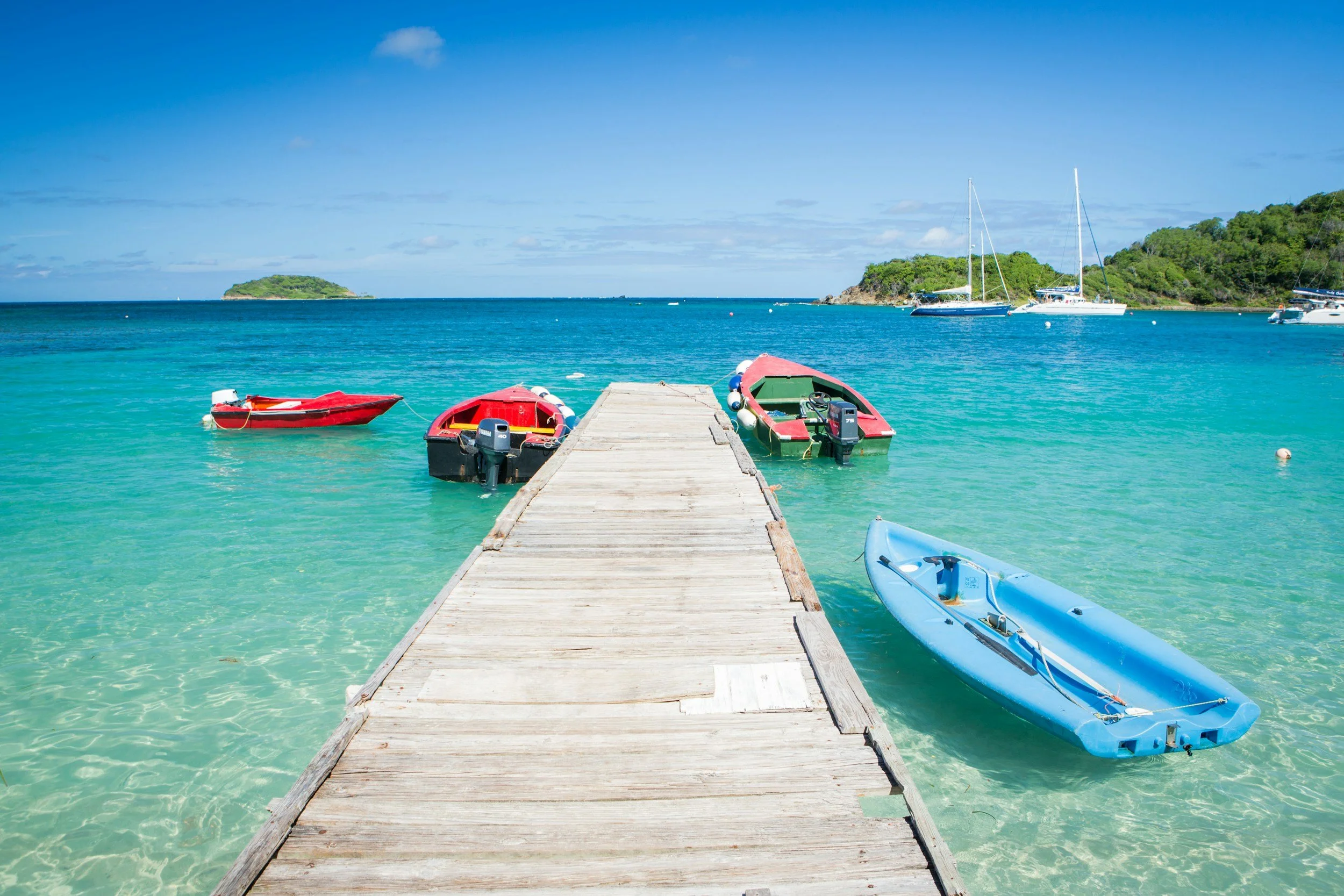
Tourism tanks: foul smells, unswimmable beaches, and canceled vacations devastate the local economy. Fishing suffers: damaged equipment, smaller catches, and high cleanup costs. Communities pay: governments and residents are footing the bill for nonstop beach cleanup with no long-term relief in sight.
-

Public Health Crisis
When sargassum breaks down, it emits hydrogen sulfide (H₂S) and ammonia, triggering nausea, headaches, and breathing issues. Long-term exposure is linked to pregnancy complications, hypertension, and chronic illness. Heavy metals like arsenic can contaminate water and soil, entering the food chain at all levels.
-
Climate & Feedback Loops
When sargassum decomposes on shore, it releases CO₂ and methane (CH₄) - potent greenhouse gases that accelerate the very warming conditions driving larger blooms. It is a vicious cycle: climate change fuels sargassum growth, and rotting sargassum fuels climate change.
Mermaid Energy is committed to finding solutions that harvest and process sargassum at rates that protect public health in Caribbean communities.
— Kristi Shaw, Founder